Flagship project
Satul Nevoiașilor
A community of eco homes for homeless families — designed to become energy and food self-sufficient within its first years of life.
A community of eco homes for homeless families — designed to become energy and food self-sufficient within its first years of life.
Conventional social housing solves one problem — shelter — and creates others: bills families cannot pay, isolation, dependency. Satul Nevoiașilor starts from the opposite end: from self-reliance.
We build passive homes, powered by a shared solar microgrid, surrounded by gardens that provide food and small incomes. A community centre offers education, social support and skills training. The result is not a place where people "are kept", but a community that, within a few years, sustains itself.
Corporate investment doesn't fund a dream, it funds momentum. That's why we build the pilot home first, with real costs broken down and our own photos/videos. "We built one. Now let's build 40."
Indicative estimates for the first home. We update these with real figures as we build.
No renders, no stock imagery — only real project photos will appear on this page. Until then, we are transparent that we do not yet have our own images.
High-performance insulation, solar orientation, heat-recovery ventilation. Warm in winter, cool in summer, always affordable.
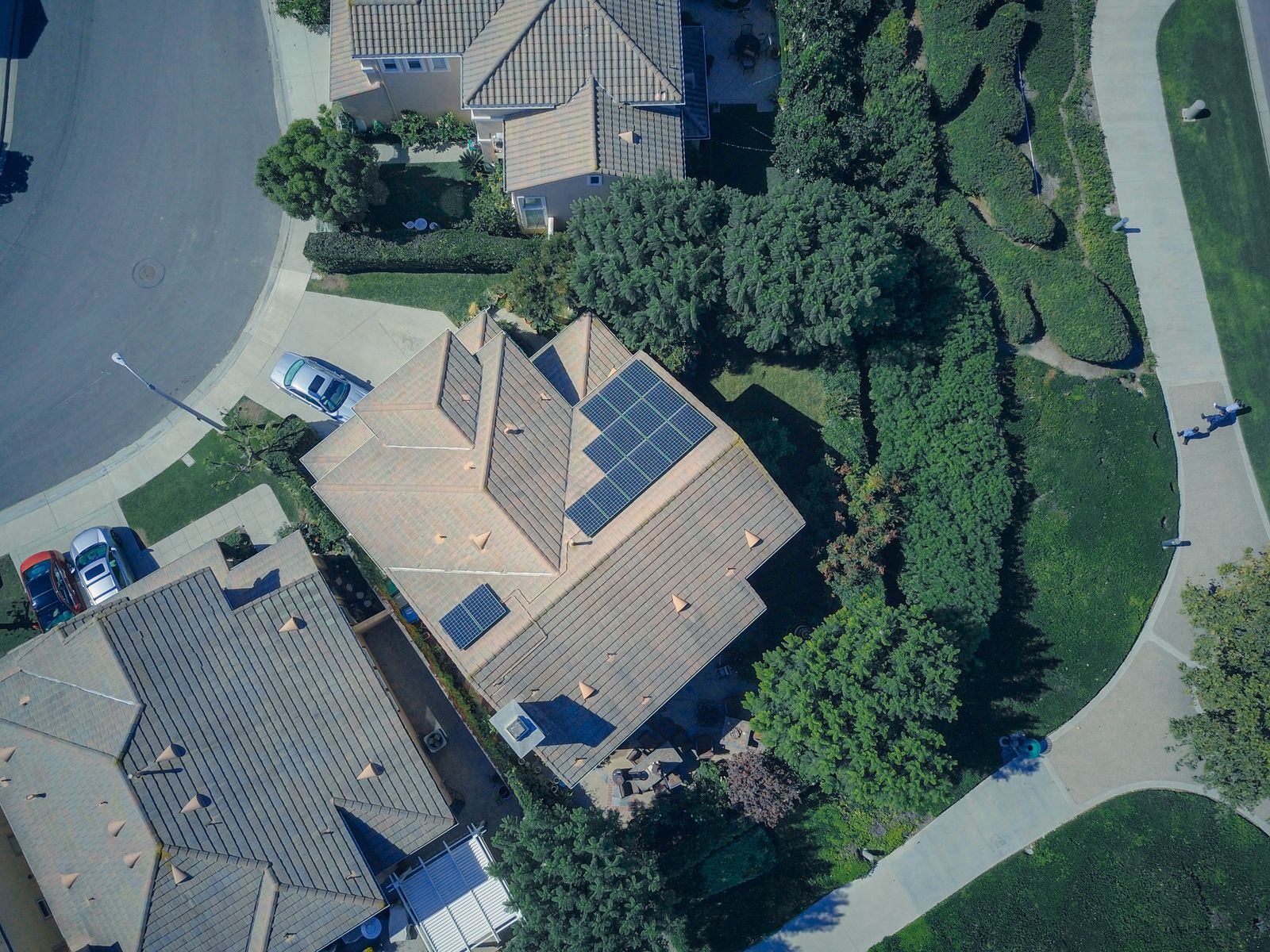
Rooftop photovoltaics + shared storage batteries. Clean energy day and night, shared village-wide.
Rainwater harvesting and ecological treatment. Less waste, low costs, minimal impact.
Individual plots and a shared greenhouse. Fresh produce, a daily purpose and a small income from the surplus.
Space for education, a medical room, skills workshops and community meetings.
Small workshops that generate local income — from carpentry to vegetable processing.
These are not prices, but real costs broken down: how much each component of the village costs. Indicative figures for the first village, reported separately.
Installed and connected to the village grid.
For a family moving into their new home.
Foundation, walls and passive roof.
A full home, built and given to a vulnerable family.
Every contribution, large or small, is reported against the component it builds. We don't sell homes — we show transparently what each part of the village costs.
A green village is not an endless expense. It is designed to generate its own income and cover part of its costs — and the surplus helps build the next village.
Avoided CO₂ savings, on the path to verification, can become recurring income — and are the ESG product for sponsors.
The solar microgrid's surplus is sold as a prosumer — energy that generates revenue for the village.
Vegetables, honey and small workshops — income for families and the community.
Paid corporate volunteering days, events and ESG training hosted in the village.
That is the difference between a donation that is consumed and an investment that multiplies.
Establishing the association, building the team, identifying land and the first CSR partners.
Land acquisition/concession, permits and the technical design of the village, alongside local authorities.
Building the first passive homes and installing the solar microgrid, with partners and volunteers.
Transparent family selection and social accompaniment into their new home.
Gardens, workshops and training. The village begins to cover its own operating costs.
Live transparency: every square is a home. Data updates as the project progresses.
Indicative figures for the first village, reported transparently. See full transparency →
A village is built by partners and donors who believe a fresh start deserves to be built well.